Hello world!
Welcome to WordPress. This is your first post. Edit or delete it, then start writing!
Kampala, Uganda · info@adreetl.com
Updates, articles, and sector analysis from the ATLA team.
Welcome to WordPress. This is your first post. Edit or delete it, then start writing!

East Africa's logistics landscape is undergoing a structural transformation. From port modernisation at Mombasa and Dar es Salaam to the rapid expansion of regional road corridors, the region is positioning itself as a continental trade hub — and the demand for qualified logistics professionals has never been greater.
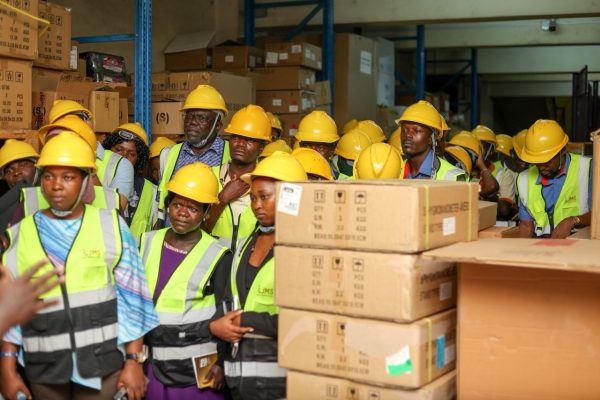
Implementing a Warehouse Management System (WMS) is one of the most consequential operational decisions a logistics business can make. Yet many East African organisations invest in WMS technology without the trained personnel to maximise its value. Here is what you need to know before, during, and after implementation.

Uganda loses an estimated 10,000 lives annually to road traffic accidents — the vast majority involving commercial vehicles. Behind each statistic is a failure of systems: inadequate driver training, absent safety management protocols, and organisational cultures that prioritise speed over safety. Certification changes this.
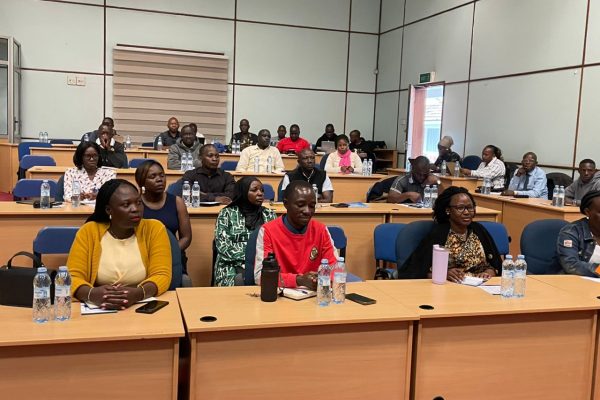
Uganda's logistics sector is growing. Warehouses are being built, fleets are expanding, and import-export volumes are rising. But ask any logistics employer about their most pressing challenge and the answer is rarely infrastructure — it is finding supervisors and managers who can actually run operations to a professional standard.

For Ugandan transport operators moving cargo across the Northern and Central Corridors, regulatory compliance is a daily operational reality. Understanding the framework — from axle load limits to cross-border transit procedures — is the difference between smooth operations and costly delays.
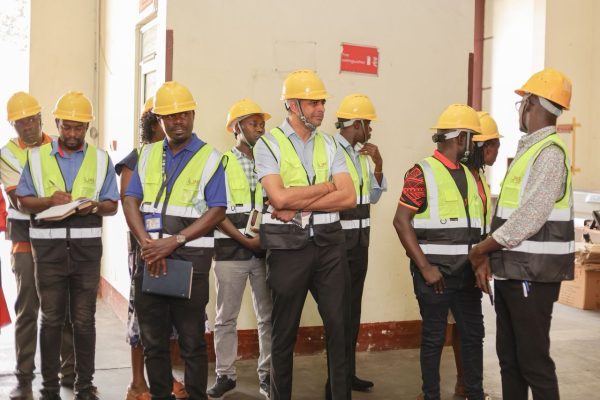
The Warehouse Manager Certificate of Professional Competence (WMCPC) is our most enrolled programme. Here is an honest look at what participants experience, what they learn, and what they go on to achieve.